
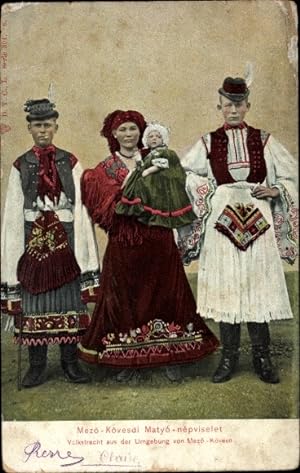
Welcome to the captivating world of Hungarian folklore! A land rich in traditions, stories, and a vibrant culture that has captured the hearts of people around the globe for centuries. Let’s delve into the colorful and lively customs, dances, and legends that make Hungary’s heritage so unique.

An essential part of Hungarian folklore is its traditional dances, often performed at festivals, weddings, and other celebratory occasions. The Csárdás is perhaps the most well-known dance, embodying the passionate and dynamic nature of Hungarian culture. With fast-paced steps and stirring music, it transports us to another time.
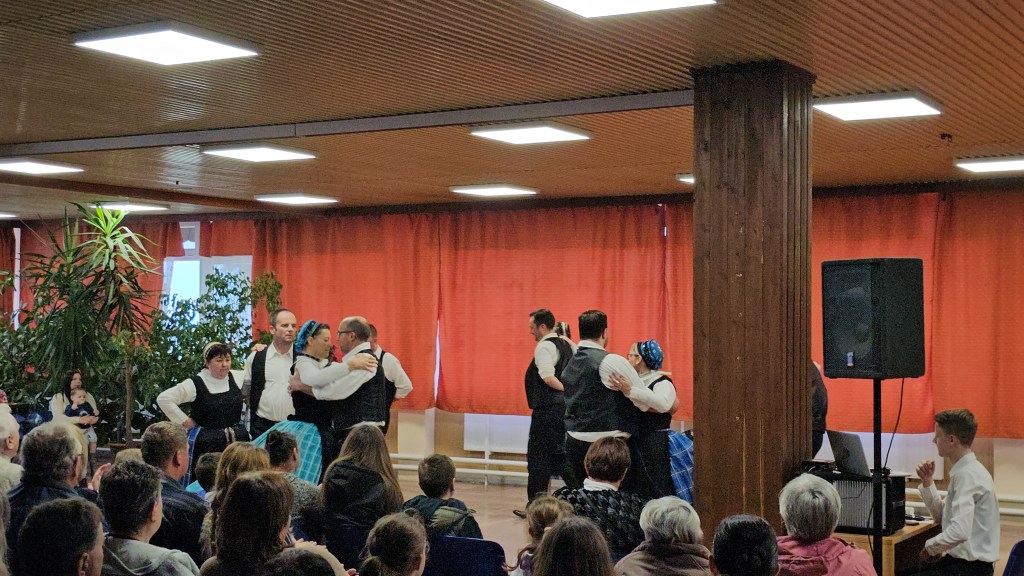
But it’s not just the dances; music also plays a crucial role. Hungarian folk music, characterized by traditional instruments such as the violin, cimbalom, and zymbal, imbues the festivities with an unmistakable atmosphere. Its melodies speak of love, passion, and life in the countryside.
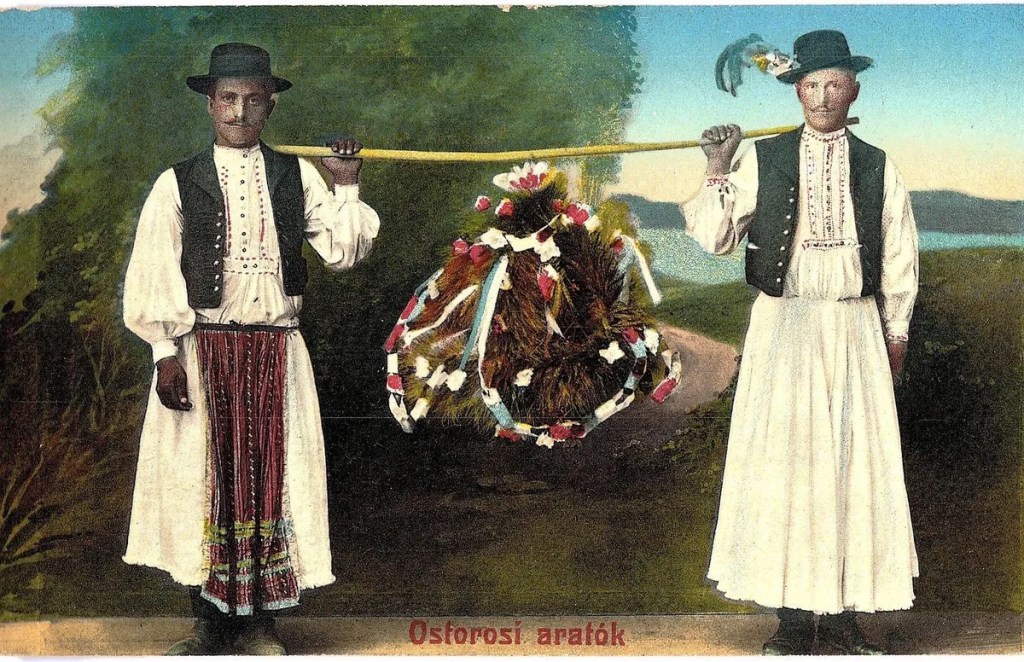
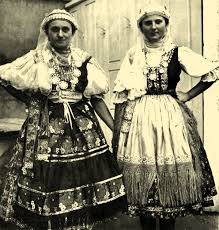
In addition to music and dance, traditional costumes are also a symbol of Hungarian folklore. Each region of the country has its own unique designs and patterns, often passed down from generation to generation. These vibrant garments are not only expressions of pride and identity but also a tribute to the past.
Yet Hungarian folklore isn’t just alive in its customs and traditions; it’s also present in its legends and stories. From fearsome dragons to mystical beings like the Tündérek, Hungarian fairies, folklore is rich in fantastical elements that ignite the imagination.

Overall, Hungarian folklore is a fascinating world full of history, tradition, and beauty. Its dances, music, costumes, and legends are integral parts of Hungary’s cultural heritage, inspiring and enchanting people worldwide. Let’s dive together into this wonderful world and uncover its secrets!
 Ini's Blog
You must be logged in to post a comment.